

The Magic of Plumbing Cameras: How They Work
What is a Plumbing Camera and How is it Used?
A plumbing camera, also known as a drain camera or sewer camera, is a revolutionary tool used by plumbing professionals to assess the condition of pipes and the overall plumbing system without the need for invasive digging or extensive dismantling. This innovative device typically consists of a high-definition camera mounted on a flexible rod or cable. This setup allows plumbers to navigate through the twists and turns of pipes, providing a real-time view of potential issues lurking out of sight. The footage captured is transmitted to a screen where the technician can analyze and diagnose problems. The primary purpose of plumbing cameras is to identify blockages, fractures, and other abnormalities that could lead to more severe plumbing issues if ignored. These inspections are particularly useful for residential, commercial, and industrial settings where regular maintenance and prompt diagnostic procedures can mitigate costly repairs.
Behind the Scenes: The Technology and Setup of Plumbing Inspection
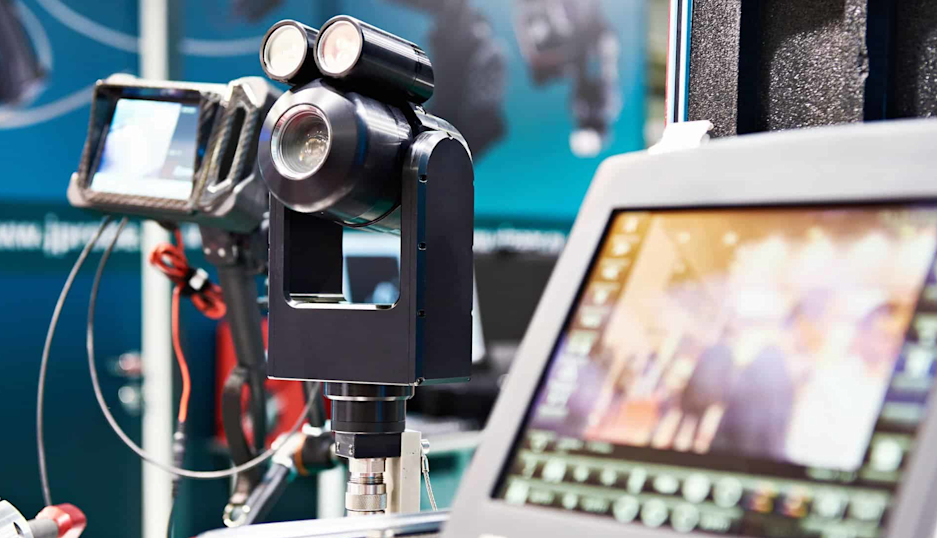
The technology behind plumbing cameras has advanced significantly, incorporating high-resolution imaging, LED lighting, and advanced mobility features that allow for thorough inspections in various pipe diameters and conditions. A typical plumbing camera system includes the camera itself, a control unit, a cable reel, and sometimes even a portable monitor. The camera is equipped with powerful LED lights to illuminate the pipe interior, ensuring that even in dark and confined spaces, a clear image can be captured. The flexible cable allows for easy navigation through complex plumbing layouts, and in some advanced systems, operators can even insert the camera into pipes with diameters as small as two inches. This versatility makes plumbing cameras an invaluable tool for both diagnosing issues and evaluating conditions post-repairs. The process usually begins with an assessment where the plumber will insert the camera into a cleanout or drain access point and navigate through the plumbing system to document its condition.
From Footage to Findings: Interpreting the Visual Data
The true power of plumbing cameras lies in their ability to provide visual evidence of plumbing conditions, which can simplify the diagnosis process and facilitate informed decision-making. Once the footage is captured, plumbing technicians can review it in real time or later, identifying any blockages, breaks, misalignments, or signs of corrosion. Different features of the visuals such as the color of the pipe walls, the clarity of the images, and the presence of debris or roots offer critical information. For instance, the appearance of roots intruding into the pipes could indicate nearby trees searching for moisture, while rust-colored debris might point to the corrosion of older metal pipes. Effective interpretation of these visual findings allows for precise recommendations for repairs or replacements and helps homeowners understand their plumbing systems on a deeper level. Often, technicians provide clients with recorded footage, detailing findings with notes about what the inspection revealed, which can serve as documentation for future maintenance or repairs.
Unraveling Pipe Mysteries: Common Problems Revealed
From Clogs to Cracks: What Plumbing Cameras Can Diagnose
Plumbing cameras excel at diagnosing various issues ranging from minor blockages to major structural failures. Blockages are one of the most common problems identified through these inspections. They can result from the accumulation of grease, hair, soap scum, and organic matter that slowly builds up over time, obstructing water flow. Moreover, foreign objects accidentally flushed down toilets or drains can cause significant issues that are easily identified with a plumbing camera inspection. Cracks, leaks, and misaligned pipes are other key issues plumbing cameras can uncover. Cracks in the pipes may not just hinder water flow but can also lead to leaks that may cause damage to the surrounding environment, including mold growth or foundation shifts. Identifying these types of problems early on can save homeowners from costly repairs and extensive damage.
The Hidden Dangers: Detecting Roots, Corrosion, and Leaks
Another critical function of plumbing cameras is identifying hidden dangers that could compromise the integrity of plumbing systems. Root intrusion is a significant issue in many urban and suburban areas, where tree roots naturally seek out water sources. This pursuit can lead roots to infiltrate broken seams or joints in pipes, expanding over time and causing severe blockages. Furthermore, corrosion often impacts older pipes, particularly those made from materials like cast iron and galvanized steel, and can be identified through visual inspections revealing flaking or rust inside the pipes. Detecting leaks through the camera can prevent more extensive water damage and mold issues before they become prevalent. Leaky pipes can result in increased water bills and diminish the efficiency of the plumbing system. A plumbing camera inspection can reveal hidden leaks within walls and underground, ensuring that you’re addressing issues that are otherwise invisible and insidious.
Preventative Insights: How Early Detection Can Save You Money
One of the greatest benefits of utilizing plumbing cameras is their role in preventative maintenance. By employing this technology for routine inspections, homeowners and property managers can identify potential problems before they escalate into costly disasters. For instance, discovering the early stages of root invasion or pipe corrosion allows for proactive measures such as root removal or pipe lining that can extend the life of your plumbing system significantly. Such early detections can avert the need for emergency services and major repairs that would otherwise follow if issues go unnoticed. It not only saves money on repairs but can also lead to lower water bills as well as less disruption in daily life. Homeowners who invest in regular camera inspections report higher satisfaction with their plumbing systems and peace of mind, knowing they are maintaining a healthy and efficient infrastructure.
The Benefits: Why You Should Consider a Plumbing Camera Inspection
Cost Efficiency: Saving Big with Proactive Maintenance
Investing in a plumbing camera inspection may seem like an expense at first glance, but when evaluated alongside the potential costs of major repairs due to undiagnosed issues, it becomes an evident cost-saving measure. A small fee paid for a camera inspection can uncover problems before they necessitate extensive excavation, replacement, or emergency repairs, all of which can be exorbitantly expensive. Moreover, regular inspections can lead to improved water flow and efficiency, minimizing wasting resources and facilitating a longer lifespan for the plumbing system. The cost-effectiveness of plumbing camera inspections becomes even more pronounced in commercial properties, where downtime and disruptions can incur significant losses. Businesses that schedule regular inspections not only safeguard their plumbing integrity but also protect their bottom line by avoiding unplanned maintenance costs.
Time is Money: Quick Solutions with Visual Inspections
In an era where efficiency is paramount, plumbing camera inspections significantly reduce the time taken to diagnose and address plumbing issues. Traditional methods, often reliant on guesswork and invasive techniques, can lead to prolonged problem identification and solutions that often require extensive labor and excavation. With plumbing cameras, technicians can pinpoint issues quickly and accurately, allowing for rapid decision-making regarding repairs and restoration. This not only streamlines the repair process but also minimizes disruption in the lives of homeowners and businesses alike. The visual data obtained can be utilized to formulate targeted strategies for improvement rather than broad-stroke fixes, thereby enhancing repair operations and reducing waiting times.
Peace of Mind: Knowing Your Home’s Plumbing Health
Peace of mind is an immeasurable benefit that comes from knowing the state of your plumbing system. Homeowners who have undergone a plumbing camera inspection often report heightened levels of confidence about their home’s infrastructure. Understanding the condition of your pipes, their age, stability, and the presence of future risks empowers homeowners to plan for the future effectively. It encompasses an overall sense of security knowing that your plumbing system is functioning optimally and can handle household demands efficiently. Moreover, for those planning to sell their homes, having documented plumbing camera inspections can serve as a valuable selling point, demonstrating to potential buyers that the property has been well cared for. Such documentation can decisively differentiate your home from others in the market, instilling buyer trust and potentially facilitating a faster sale at a higher price.
Choosing the Right Professionals: What to Look For
Experience Matters: Finding Qualified Plumbing Technicians
When opting for a plumbing camera inspection, selecting the right professionals is paramount to ensuring you receive thorough and reliable service. Experience should be a key factor in your decision-making process. Look for plumbing companies with a proven track record in camera inspections and a portfolio that includes various types of properties from residential homes to commercial establishments. Experienced technicians will not only operate the cameras proficiently but will also have the discerning ability to interpret the findings accurately. They can draw upon their knowledge of plumbing systems and previous experience with similar issues to provide tailored recommendations. Checking online reviews, testimonials, and asking for referrals from friends or family can provide insight into a technician’s reputation, ensuring you make an informed choice.
Questions to Ask: Ensuring You Get the Best Service
Once you have shortlisted potential plumbing companies, there are crucial questions to ask before making your final decision. Inquire about their certifications and licenses to ensure compliance with local regulations; this is non-negotiable for receiving professional plumbing services. Additionally, ask about the types of equipment they utilize for inspections. High-definition cameras and modern technology yield significantly better results than outdated equipment. It’s also beneficial to discuss the process they follow for inspections; this includes understanding how they will document findings and what recommendations will follow the assessment. Furthermore, don’t hesitate to inquire about warranties or guarantees on their services; a reputable company will stand behind their work and offer assurances that their solutions are effective. Lastly, understanding their emergency response policy can provide further clarity on their reliability, particularly for urgent plumbing issues.
Understanding Costs: What Should a Plumbing Camera Inspection Really Cost?
The cost of a plumbing camera inspection can vary based on several factors, including geographical location, the complexity of the plumbing system, and the company’s pricing structure. On average, homeowners can expect to pay between $100 and $500 for a standard inspection, depending on the scope of work involved. It’s advisable to ask for an estimate upfront and gauge whether it includes a full report of findings and recommendations. Keep in mind that while lower rates can be enticing, they may not always reflect the quality of service. Taking the time to compare prices and what services are included will help ensure that you’re receiving value for your investment. Understanding the potential long-term savings from avoiding costly repairs and additional expenditures due to unseen issues can significantly outweigh the initial inspection costs, marking these inspections as a wise investment into the longevity of your home’s plumbing system.
