

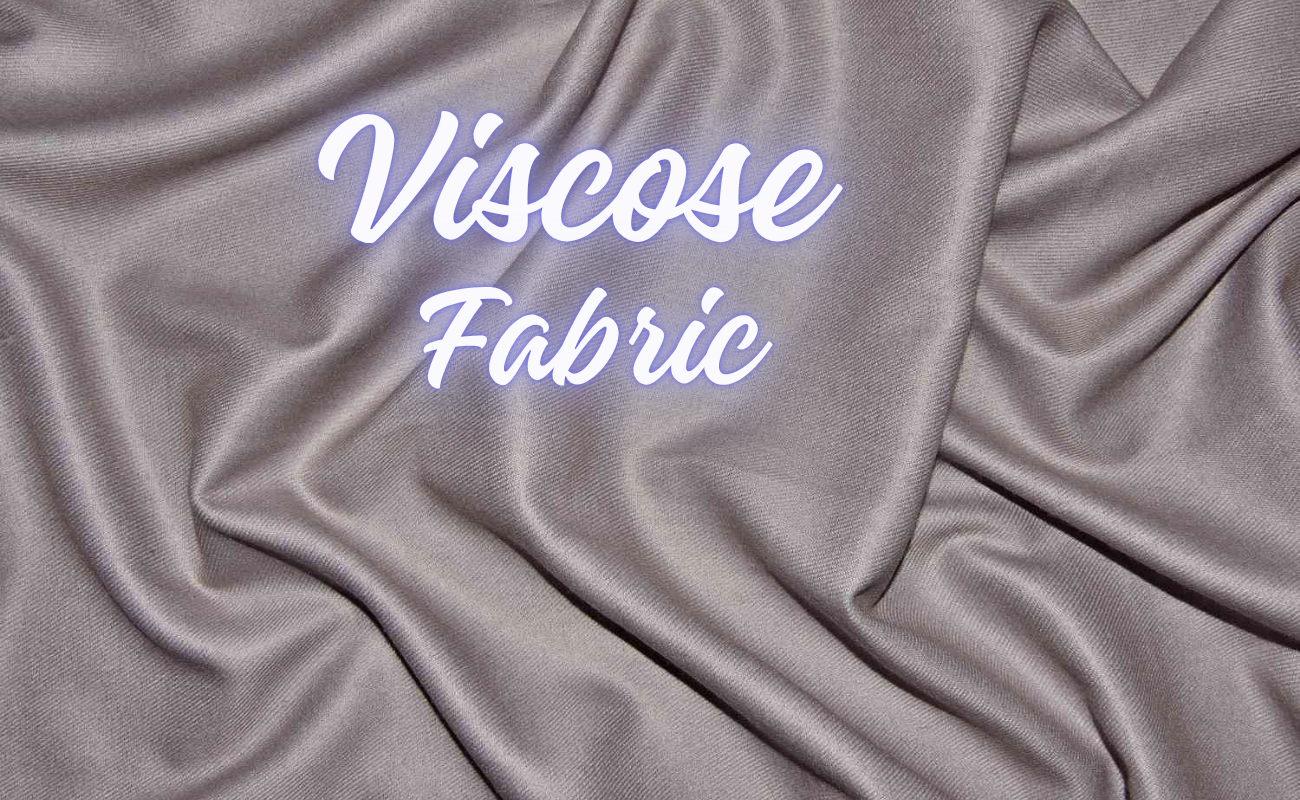
Viscose is one of the most popular fabric options for furniture, rugs and clothing today, thanks to its silky finish and elegant drape. It has a look and feel that is close to that of the natural fabrics that are very costly such as silk, hence its allure to homeowners and designers alike.
However, there are a few practical considerations of viscose to be understood before you take the plunge to use it in your home. A more in-depth explanation of why this material is so desirable and why it is not.
What Is Viscose?
The manufactured fiber known as viscose is a member of the rayon group of fibers, which are regenerated plant cellulose fibers. It was first made commercially in the early 20th century, as an inexpensive alternative to natural fibers. Though it is made from a plant-based ingredient, its manufacturing process alters its characteristics from any other fabric, such as cotton or linen, particularly in terms of its strength and ability to repel water.
What Makes Viscose So Popular?
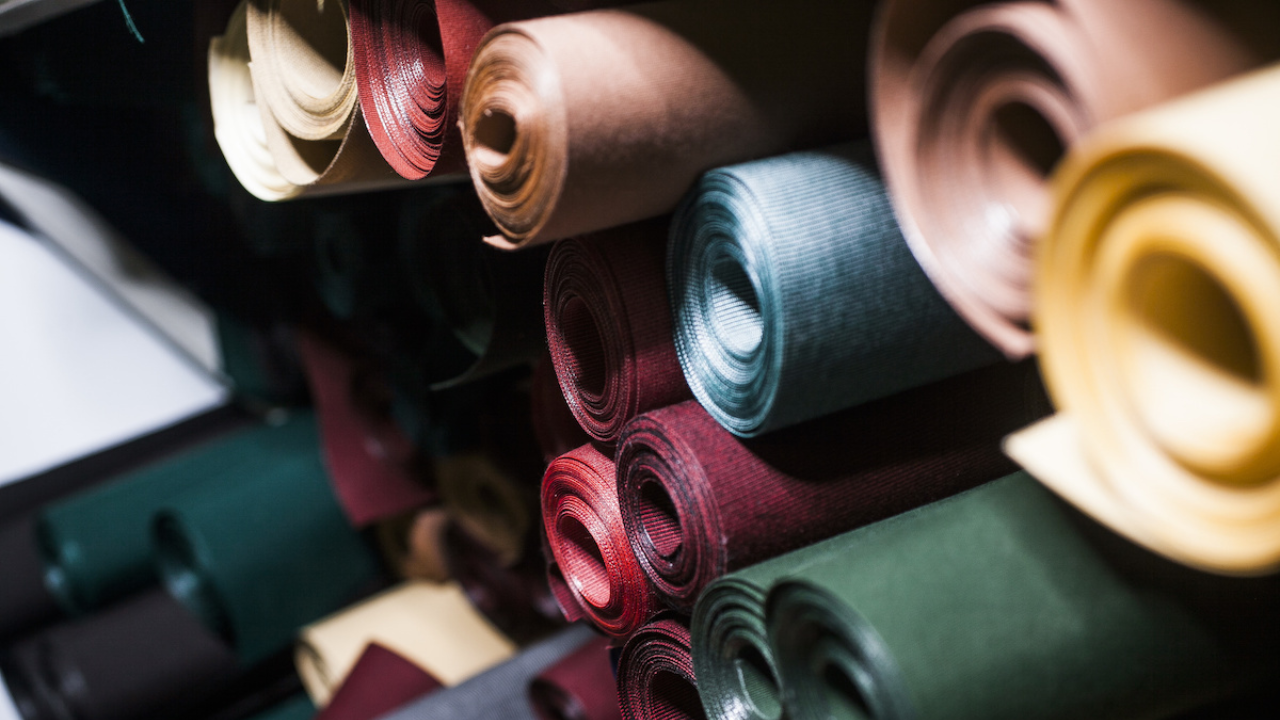
There’s no mystery behind viscose’s popularity, it simply looks and feels expensive. A naturally sheen, soft drape to the fabric that catches the light beautifully on upholstery, drapery and area rugs. It also stains very easily, which is why viscose parts tend to be in very intense colours.
Viscose is often mixed with other fibres to achieve a desirable texture, resulting in a soft and breathable fabric that is suitable for use in everyday furniture. Add to that the fact that it is usually cheaper than silk or other luxury natural materials and it’s no surprise that viscose is all the time featured in contemporary interior design.
Read Also: What Is Polyester Fabric? Properties, Uses & How It’s Made
The Disadvantages of Viscose
Of course, as pretty as viscose is, it requires a little attention to it.
Difficult Maintenance
The main problem with viscose is its inability to deal with moisture. The fibers are very weak in water, leading to shrinking watermarks and irreparable damage when exposed to water. A spill, no matter how small, can make a big impact. This sensitivity means that it is not recommended to clean viscose by yourself: you are not allowed to wet clean the fabric, and if you want to dry clean it, you should consider using the service of professional people who are able to handle delicate fabrics.
Sustainability Concerns
Although this is a plant-based fabric, it has not been deemed an environmentally friendly fabric. Raw cellulose needs to be heavily chemically processed to be useful as fiber, and this process can impact the health of factory workers as well as surrounding ecosystems. This sourcing of raw materials has also been associated with unsustainable logging in certain areas and water contamination from production facilities. Not only that, but viscose is also less biodegradable than natural fibres after it’s thrown away, exacerbating the textile waste issue.
Would You Like to Learn More About Viscose?
Viscose is certainly beautiful, but it’s not the easiest to care for. Natural options such as silk or wool might be more cost-effective for longevity and convenience if you value long-lasting use and simplicity of maintenance. However, as long as you adore the appearance of viscose, it may be acceptable under the correct environment and with the correct care procedure.
How to Care for Viscose Fabric
If you already have viscose furnishings, there are some tips that can help keep them for longer: avoid liquids altogether, clean up spills with a dry cloth, and never use a cleaning agent not designed by a professional for delicate fabrics. A fabric protection treatment can also provide extra moisture protection and help to control spills in daily use.

Final Word
Viscose may add some luxury to any space, but the beauty has real maintenance demands. Knowing about its moisture sensitivity and ecological effect can help you figure out if it’s suitable for your residence or if you should end up in the direction of a more resilient and eco-friendly natural fabric.
FAQs
1.Can viscose be used for long lasting fabric?
Viscose is a luxurious yet not very durable fabric. It tends to fade, pill and weaken over time especially when used or exposed to moisture frequently.
2.Is viscose damp absorbent?
It’s best to avoid getting viscose wet. Moisture can have a significant weakening effect on the fibers and may not be easily rectified, even by shrinking, and it can lead to shrinkage or stain.
3.Is viscose a natural or synthetic fabric?
Viscose falls somewhere in between. It is produced from plant cellulose, but is heavily chemically treated and is sometimes considered to be a semi-synthetic product.
4.What is the best way to clean viscose fabric?
Viscose is a water-sensitive fabric and should be professionally dry cleaned, not washed at home or with water, or spot cleaned with water.
5.Is viscose fabric environment friendly?
Not particularly. It is derived from plant-based resources but the production process uses extreme chemicals and may cause pollution and deforestation.
