

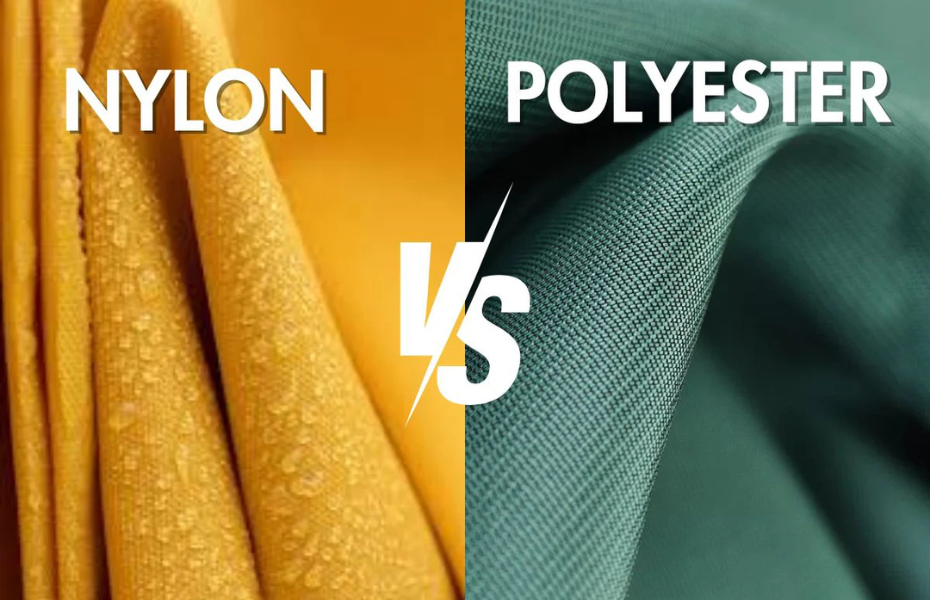
Nylon and polyester are two most common examples of synthetic fabrics used in the world, and their properties make them useful in lots of applications. Both fabrics contribute to the textile industry in the modern world as they are used in everyday garments and sportswear, as well as outdoor and industrial products.
When comparing Nylon vs Polyester, understanding their differences in texture, durability, water resistance, and heat tolerance can help you make informed decisions for your specific needs. This article discusses the properties, advantages, and optimal applications of each type of fabric and can assist any person in understanding what approach to use to select the material that will best suit their fashion, performance, or practical purposes.
What is Nylon?
Nylon is a synthetic polymer originally produced on February 28, 1935 by Wallace Carothers and his colleagues at the Experimental Station of DuPont. It was the first commercial commercially successful synthetic thermoplastic polymer, and was introduced as an alternative to silk in numerous applications.
Nylon is a product of a condensation polymerization reaction made by using monomers like adipic acid and hexamethylenediamine, both petroleum-derived monomers. These monomers are polymerized to create long chains and produce a very strong and versatile material.
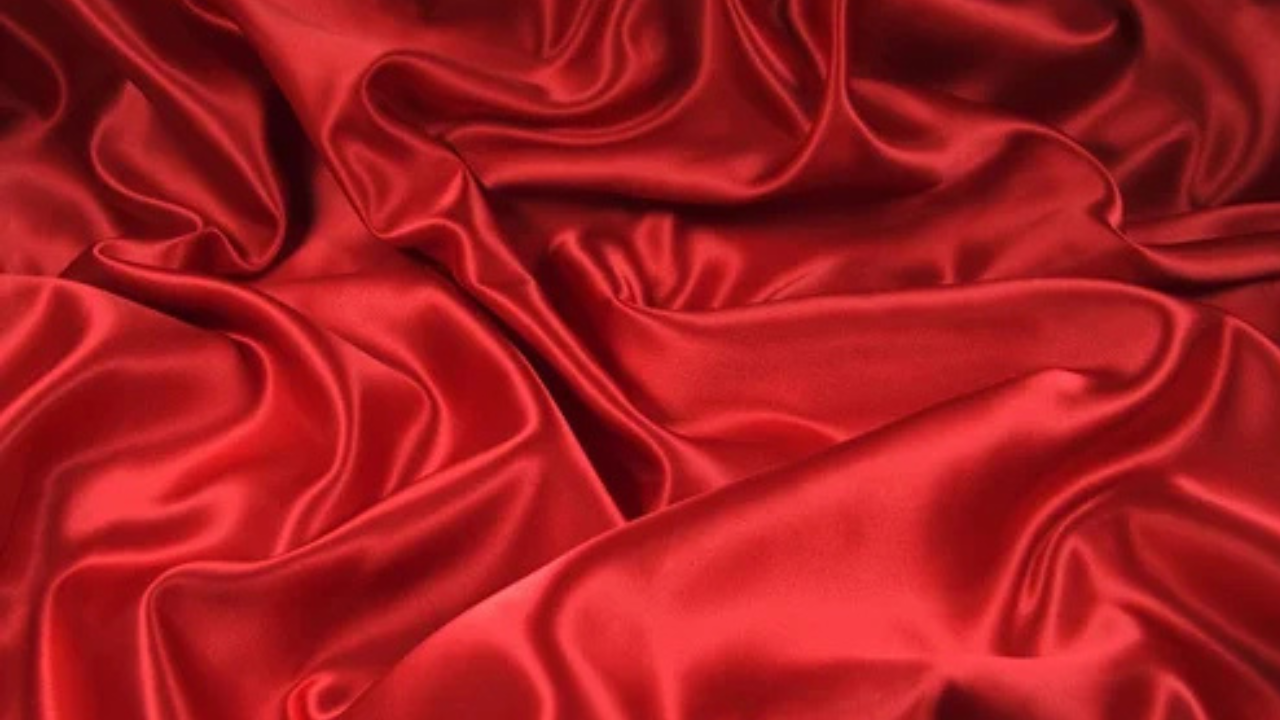
Nylon is known to be soft, elastic, and shiny. These characteristics make it ideal to be applied in places where it is required to be flexible and smooth finish.
Nylon is commonly used in activewear, ropes, stockings and outdoor gear. Its great strength, and wear resistance qualifies it to be used in products that undergo high usage and stress.
What is Polyester?
Polyester is a synthetic fiber that is produced using polyethylene terephthalate (PET), a petroleum-based chemical polymer. Polyester is a fabric developed in the early 20th century and it is now one of the most common types of fabric used in the textile industry.
The first step in the manufacturing process involves a chemical reaction between purified terephthalic acid (PTA) and monoethylene glycol (MEG) which forms chains of PET polymer. Such fibers are then extruded in spinnerets to form fibers that are cooled and hardened into yarns.

Polyester is strong, water resistant, durable and does not wrinkle. These characteristics contribute to its popularity as a material to use in a range of applications, such as sportswear, jackets, upholstery, and outdoor apparel.
Nylon vs Polyester: Key Differences
Durability & Strength:
The tensile strength and elasticity of nylon is extremely wear and tear resistant. The molecular structure gives it an extraordinary abrasion resistance, enabling the use of nylon fabrics to withstand extreme physical exertion. Polyester in contrast is harder to abrasion and retains its shape much longer.
Feel & Texture:
Nylon has a soft, silky, shiny feel, which provides a luxurious feel. A little rougher and a little less shiny, polyester has undergone improvements in its manufacturing that have increased softness and comfort.
Water Absorption:
Nylon is hydroscopic, i.e. it takes up water, and this may increase the drying time. This characteristic renders it not very appropriate in moisture-wicking applications. Polyester, conversely, is hydrophobic and waterproofs better, which is why it is the best choice when it comes to raincoat and outdoor tent.

Heat & Dyeing:
Nylon is not as heat resistant as polyester and is more appropriate in colder climates. Polyester is also better in high heat situations.
Color Retention:
Nylon is less UV resistant and can fade away when it is exposed to the sun. Polyester is also more resistant to sunlight and the color will last longer.
Read Also: Diadem – Bridal Lehe: A Royal Pairing for Your Dream Wedding
Environmental Impact:
Nylon and polyester are petroleum based; however, they have different environmental effects. The manufacture of nylon consumes more energy and it uses a lot of water. The manufacturing of polyester is generally less damaging to the environment regarding water and energy consumption. Nevertheless, the two materials are both sources of microplastic pollution.
When to Choose Nylon or Polyester
Choose Nylon When:
- Activewear, hosiery, or performance clothes are required to be stretchy, elastic.
- Durability and abrasion resistance are a priority, e.g. in ropes or luggage.
- Fashion items such as stockings or outerwear are preferred to have a soft and silky feel and shininess.
Choose Polyester When:
- It should be quick drying and wicking and this is the reason why it must be used in sportswear and base layers.
- It should be UV-resistant and colorfast, particularly when it comes to outdoor clothing and products that are exposed to sunlight.
- Wrinkle resistance and shape retention are needed in everyday wear and upholstery.
Blended Fabrics:
When nylon and polyester are mixed, we get fabrics that embrace the capabilities of both products. These mixtures are more durable, comfortable and perform better, and thus are the most popular in their use.
Selecting the Right Fabric:
- To be durable and strong, nylon will be suitable.
- Polyester will be more suitable due to comfort, fast drying, and UV.
- To balance these two properties, you can have blended fabrics depending on your needs.
Final Word
Whether to use the right fabric or not is determined by the strength and weaknesses of each material. In Nylon vs Polyester, Nylon is superior in elasticity, softness and strength whereas polyester has better water resistance, durability and color retention. The choice of the right fabric also depends on what you require, be it in the field of active wear, outdoor wear or everyday wear. Fabric property skills and experience will ensure that you make a smart and trustworthy decision, which will earn you a sense of comfort, performance, and durability.
Read More: Haiden Deegan (Biography): Net Worth, Age, Career, & Family Revealed
