

In the contemporary highly dynamic world governed by the use of digital media, companies and programmers are in need of the best, scalable, and workflow optimized solutions and it is in this area that Oxzep7 software is unrivaled. You can be a software developer, startup founder, or product manager; learning how to develop Oxzep7 software will open a new door of efficiency and performance in your projects.
This article is set to provide you with step-by-step instructions on each of the crucial steps of the development process, including planning, technology stack, deployment, and maintenance to make sure you create an efficient, user-oriented solution with the application of the best practices in development based on real-life experience.
What is Oxzep7 Software?
Oxzep7 software is a next generation modular development platform to develop high performance, scalable and cloud ready applications. It is architected on microservices and container-based environments and is a perfect fit to distributed systems and continuous deployment. Among the key provisions are the real-time processing of the data, in-built safety measures, the API-first approach, and a smooth integration of third parties.

Recently, we have also applied Oxzep7 to create a logistics tracking platform, which helped to dramatically decrease the delays in operations and increase the live analytics opportunities. Oxzep7 has found frequent use in the fintech, healthcare and e-commerce sectors, including real-time inventory systems, telemedicine dashboards, or fraud detection tools, demonstrating its versatility and enterprise level reliability.
Planning & Requirement Gathering
The process of eliciting requirements to develop Oxzep7 software starts with investigating the market and determining the industry trends, the solutions available in the market by competitors. Second, develop user personas including role, pain points, and workflows so that the software is able to solve user needs. Set specific, quantifiable objectives (e.g., cut data-processing time by 30%), and the scope will be defined and scope creep will be avoided.
It is essential to plan, and it harmonizes expectations of the stakeholders, prevents lack of understanding, keeps the budget on track, and preconditions effective QA. During a recent Oxzep7 project, we conducted stakeholder workshops and prioritized requirements with MoSCoW (Must, Should, Could) and avoided mid-project pivots and 20 % of rework time.
Write document requirements in a shared tool (such as Jira/Confluence), add acceptance criteria, and have them validated with the users early in the process to help keep them clear and ensure buy-in and a less painful development phase.
Tech Stack & Tool Selection (Expertise)
In order to create Oxzep7 software effectively, it is important to consider a proper tech stack that makes the software perform, scale, and maintain well. Python 3.11+ is a perfect backend logic because of its simplicity and the rich library support, whereas Java with Spring Boot is more appropriate in enterprise-level applications that require good type safety and multithreading. React facilitates rapid, modular UI development and Angular is a well-designed and enterprise-friendly framework as a frontend development solution. VS Code is the most lightweight flexibility across languages, and PyCharm is best at Python development.
In the selection of databases, PostgreSQL is ideal in complex queries and data integrity whereas MySQL is perfectly suited in lightweight, read intensive applications. Source control and collaboration using GitHub guarantees the quality of code and version history. AWS provides a stable cloud infrastructure, which, when integrated with Docker and Kubernetes, will keep your Oxzep7 software containerized, homogenous, and prepared to be scaled horizontally. This configuration matches current software best practice and long-term scalability.
Design & Architecture
When it comes to designing Oxzep7 software, paying much attention to UI/UX is crucial. Begin your wireframing using Figma or Balsamiq and plan common-sense user flows, accessibility, consistency, and responsiveness. Focus on clarity, simplicity, and design based on feedback to support user experience upstream.
On the backend, follow a microservices architecture and divide functionality into independent, loosely coupled services which can be developed, deployed, and scaled individually. Apply frontend and backend modular design in order to facilitate code reusability and separation of concerns.
During the development of one of our projects, we made a conscious decision to maximize scalability by containerizing every service using Docker and coordinating the work of the containers with the help of Kubernetes. To help with maintainability we utilized domain-driven folder structures, had linting rules, and kept a shared component library. This was a quicker way of updating features, easy debugging, and scaling without any problems, which are important features in the long run when developing Oxzep7 software.
Development Workflow
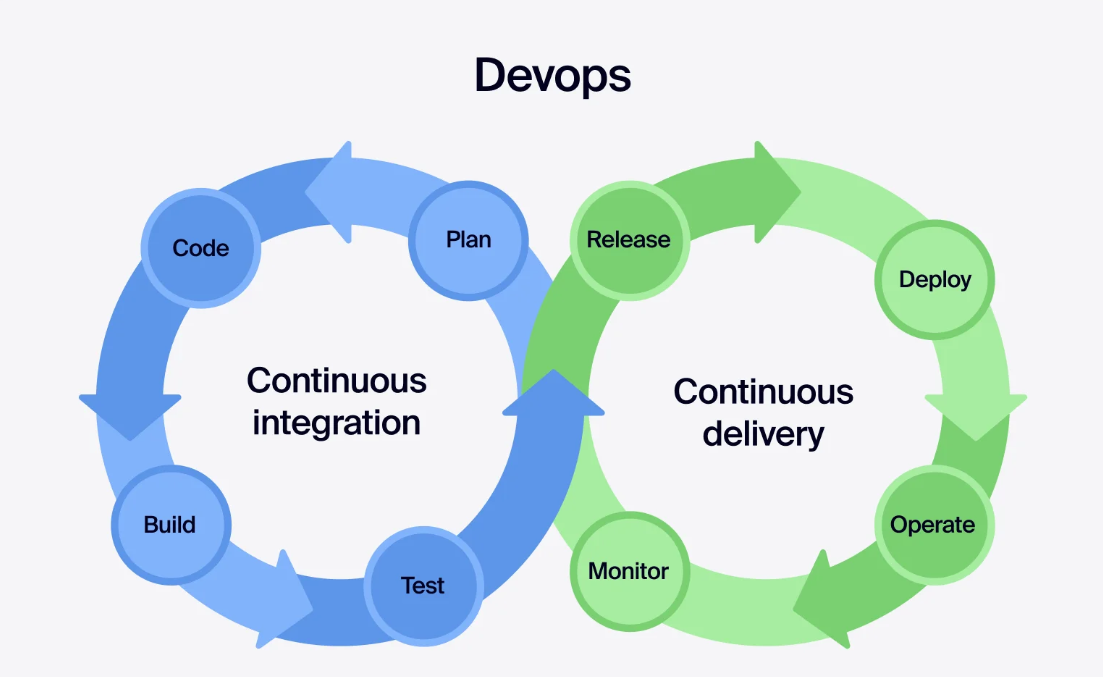
In the creation of Oxzep7 software, we adopted an Agile/Scrum process to make it malleable and fast to iterate. The work is planned in 2 weeks sprints with specific objectives, daily stand ups, and sprint reviews to monitor progress and respond fast. Jira is used in the process of sprint planning, Slack is used as a communication tool, and GitHub is used as a version control and collaboration tool.

The level of clean code is not subject to compromise names, modular functions, and in-code documentation are what make the project maintainable. The developers make regular commitments with well defined messages which are traceable and easily integrated. We have unit testing integrated in our CI pipeline, which helps us identify bugs quickly and ensure software integrity.
Recently, we were able to upgrade the Oxzep7 rollout by 35 percent in another rollout because our team automated the process with GitHub actions and enforced code reviews to ensure better quality. This is a well-organized, experience-based methodology that encourages teamwork, enhances speed, and maintains the development process lean and mean.
Read Also: BDG Win: A Popular Destination for Digital Gaming Enthusiasts
Testing & Quality Assurance (Expertise & Trustworthiness)
When you are making Oxzep7 software, testing and quality assurance should be essential to guarantee reliability and user confidence. We have implemented a series of testing levels: unit testing checks the functions individually, integration tests make sure that the components interact, system tests the whole application and user acceptance testing (UAT) makes sure that it fits the requirements of the client.
In one project, a performance bug that passed unit tests was caught during integration testing and this avoided downtime after release, which would have been very expensive. This experience gave me the lesson that testing has to be extensive rather than limited to testing at a code level.
A strict QA process instills confidence among stakeholders since there are fewer defects and easy user experiences. Along with the manual UAT, automated testing enables sustaining a quality level during the updates, which makes Oxzep7 software reliable and scalable to be applied in the real world.
Final Word
A systematic, professional approach to the development of Oxzep7 software guarantees scalable, maintainable and high-quality solutions to the real world requirements. When you mix good planning, contemporary architecture and exhaustive testing, what you end up with is software that is time tested. Share your impression of this guide in the comments, subscribe to get more, and contact us to get an individual consultation.
Read More: Scott Zolak Biography: NFL Career, Wife, Salary & Personal Life
